


Choosing Pool Lighting: Watts vs. Lumens – Avoid These Common Mistakes
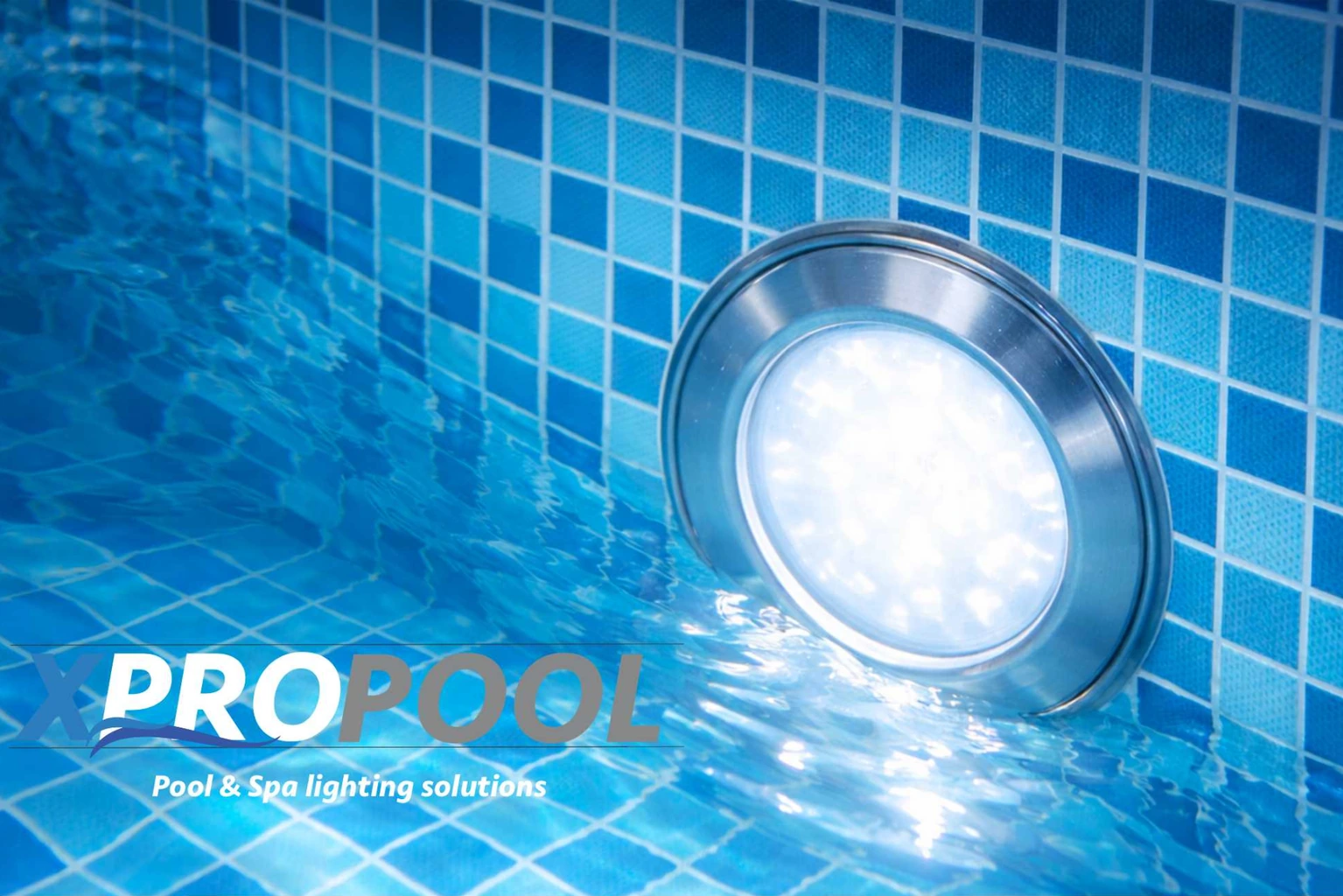
When choosing pool lighting, many people get confused by the difference between wattage and lumens. This often leads to poor decisions: lights that are too dim (unsafe), too bright (uncomfortable), or unnecessarily energy-consuming (high operating costs).
To help you make the right choice, we’ve outlined the six most common mistakes—and how to avoid them.
1. Does a higher wattage mean more light?
This is the most common mistake. Many people assume that a 100W light is brighter than a 50W light. In reality, brightness is measured in lumens, not watts.
Example:
A 10W LED pool light can produce around 800 lumens, while a 50W halogen light may produce the same 800 lumens. Both provide equal brightness, but the LED uses only a fraction of the energy.
The right approach:
Focus on lumens first, then consider wattage. Choose energy-efficient LED lighting with high light output and low power consumption.
2. Is more lumens always better?
More lumens does not automatically mean better lighting. Too much brightness can actually have negative effects.
Excessive light can cause glare and reduce visibility underwater, potentially creating unsafe situations. It also increases energy consumption.
The right approach:
Match the light output to the size and purpose of the pool. Aim for balanced lighting: bright, even, and comfortable without causing glare.
3. Focusing only on watts and lumens (and ignoring efficiency)
Light output alone doesn’t tell the whole story. Efficiency—measured in lumens per watt (lm/W)—is just as important.
Example:
- Light A: 10W → 800 lumens = 80 lm/W
- Light B: 12W → 800 lumens = 67 lm/W
Both provide the same brightness, but Light A is more energy-efficient.
The right approach:
Always consider lumens per watt. Choose LED lighting with at least 80 lm/W for optimal efficiency and lower energy costs.
4. Using the same lighting for every type of pool
Not all pools are the same. A one-size-fits-all approach rarely works.
- Residential pools are typically smaller and benefit from lower wattage and more ambient lighting
- Commercial pools are larger, used more intensively, and require higher output for safety and visibility
The right approach:
Adjust lighting based on pool type, size, and usage. Avoid copying standard setups without considering your specific situation.
5. Focusing only on the light, not the placement
Even the best light performs poorly if it’s installed incorrectly.
Poor placement can result in dark spots, uneven lighting, or glare.
- For residential pools: place lights evenly along the edges or floor
- For larger pools: install lights along the walls, spaced approximately 5–8 meters apart
The right approach:
Plan the layout in advance. Consider beam angle and spacing to achieve even, comfortable lighting without shadows.
6. Overlooking waterproofing
Pool lights are constantly submerged, yet waterproofing is often overlooked.
Insufficient protection can lead to failures, short circuits, and even safety hazards.
The right approach:
Always choose lighting with at least an IP68 rating. This ensures full waterproofing and long-term reliability.
Conclusion
Choosing the right pool lighting is not about selecting the highest wattage or the most lumens—it’s about finding the right balance.
By focusing on:
- the correct light output (lumens)
- high efficiency (lm/W)
- proper placement
- and reliable waterproofing
you can avoid costly mistakes and create safe, energy-efficient, and professional lighting.
Whether you’re lighting a private pool or a large commercial project, the best lighting isn’t the most powerful—it’s the one that fits your needs perfectly and performs reliably for years to come.